
- CUSTOMER SUPPORT
- 08000 123 456
Why You Should Never Trust Links in Unexpected Messages
Why You Should Never Trust Links in Unexpected Messages
How Link Scams Work
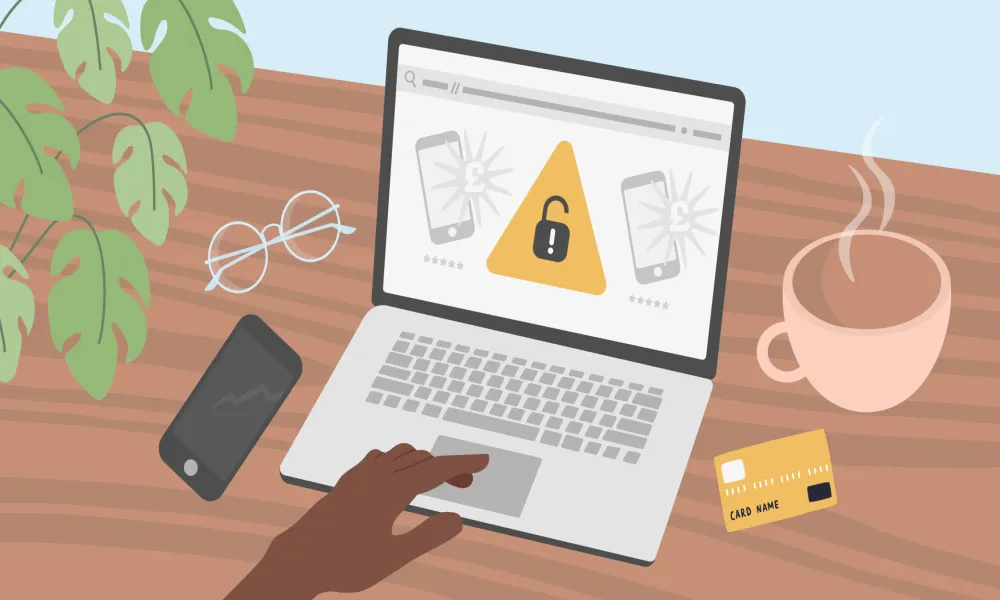
Scammers send messages that appear to be from trusted organisations such as banks, delivery companies or government bodies. These messages often include a link urging immediate action.
Once clicked, the link may:
- Direct you to a fake login page
- Install malicious software
- Capture personal information
How to Stay Safe
Avoid clicking links in unexpected messages
If you did not request the message, treat it as suspicious.
Check the sender carefully
Even if the message looks genuine, small details can reveal fraud.
Go directly to official websites
Instead of clicking links, type the organisation’s website into your browser.
Verify before taking action
If unsure, have the message independently checked before responding.
Digital safety starts with caution. One careful decision can prevent significant loss.

Becca Brierley Senior Cyber Specialist

About Us
Core values are the fundamental beliefs of a person or organization. The core values are the ples that dictate behavior and action suas labore saperet has there any quote for write lorem percit latineu.
ConsultationContact Info
- 15 Montpelier Vale, London, England, SE3 0TA
- 08000 123 456
- [email protected]
- Weekdays: 09.00 to 18.00 Sunday: Closed